





1. What “recovered” means
The Free Press Houston Archive is a recovered record, not a complete one. The paper published monthly from 2003 to 2018; the archive's issue index reserves 203 monthly slots for that run and holds a digitised object — a scan, a press proof or a supplied photograph — for 62 of them. Everything else the archive knows about the paper's contents comes from 4,142 article records, of which 4,122 were recovered from the paper's former website and 20 were transcribed from printed issues. The web records themselves come from two generations of site: 3,578 from the wordpress-era site and 544 from the earlier blogger-era site. “Recovered” therefore means retrieved from a surviving copy and reconciled — for title, byline, date and text — against whatever other evidence the archive holds, not reproduced from a publisher's master file. There is no such file.
Reconciliation is most visible in the dates. The migrated content system behind the former website printed the year of retrieval on most pages instead of the year of publication: 3,876 of the recovered records carried such a date, and 1,664 carry a rewritten year inside their own text. The archive corroborates a publication date from other evidence where it can — original archive paths, dated newsletters, printed issues, references in the text — and otherwise leaves the record undated. The result is 3,072 dated records (74%) and 1,070 undated ones (26%); the date-reconciliation dataset records the basis for each. Only 66 records are placed on the pages of a held printed issue; the rest are dated but not paginated.
2. The run in issues
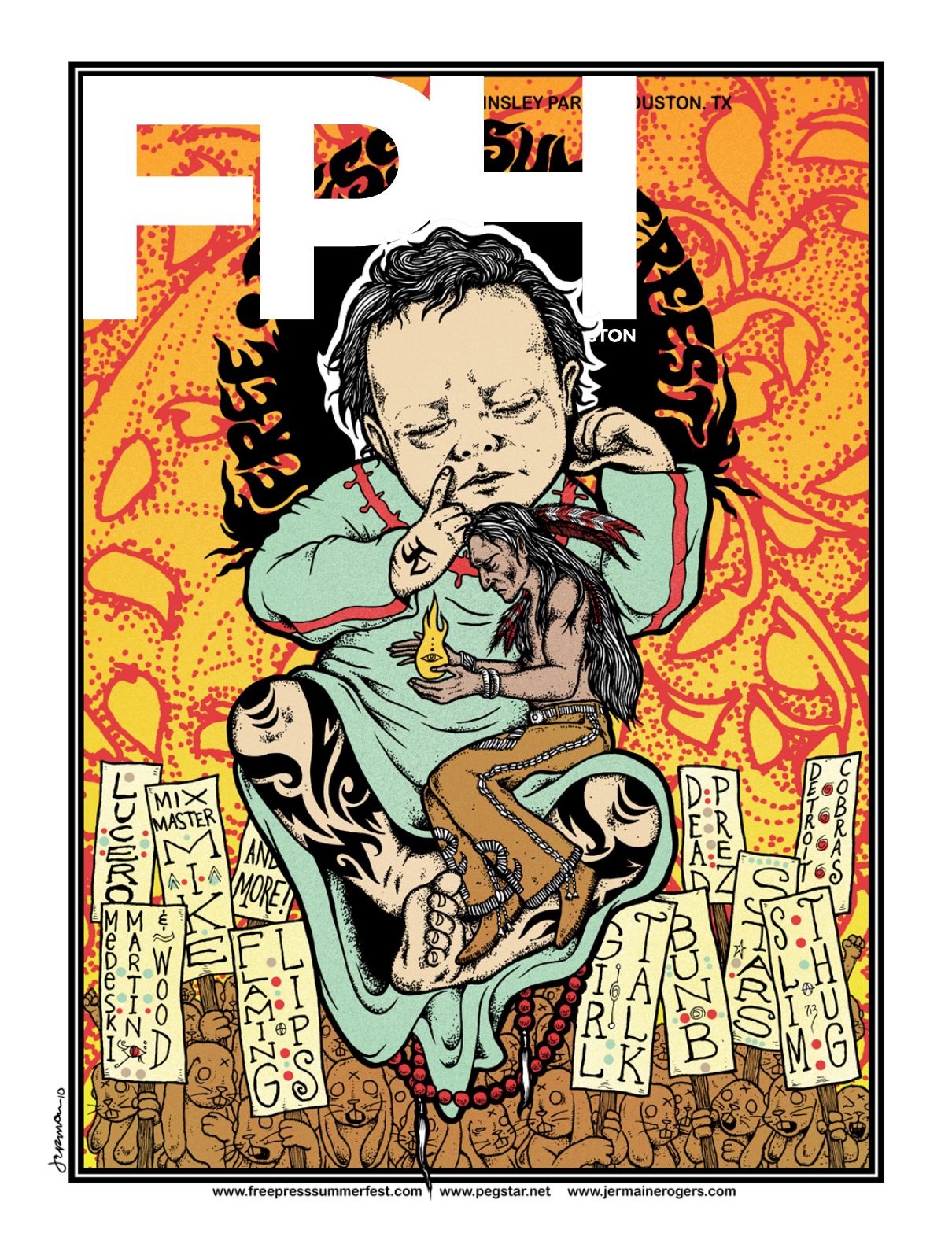
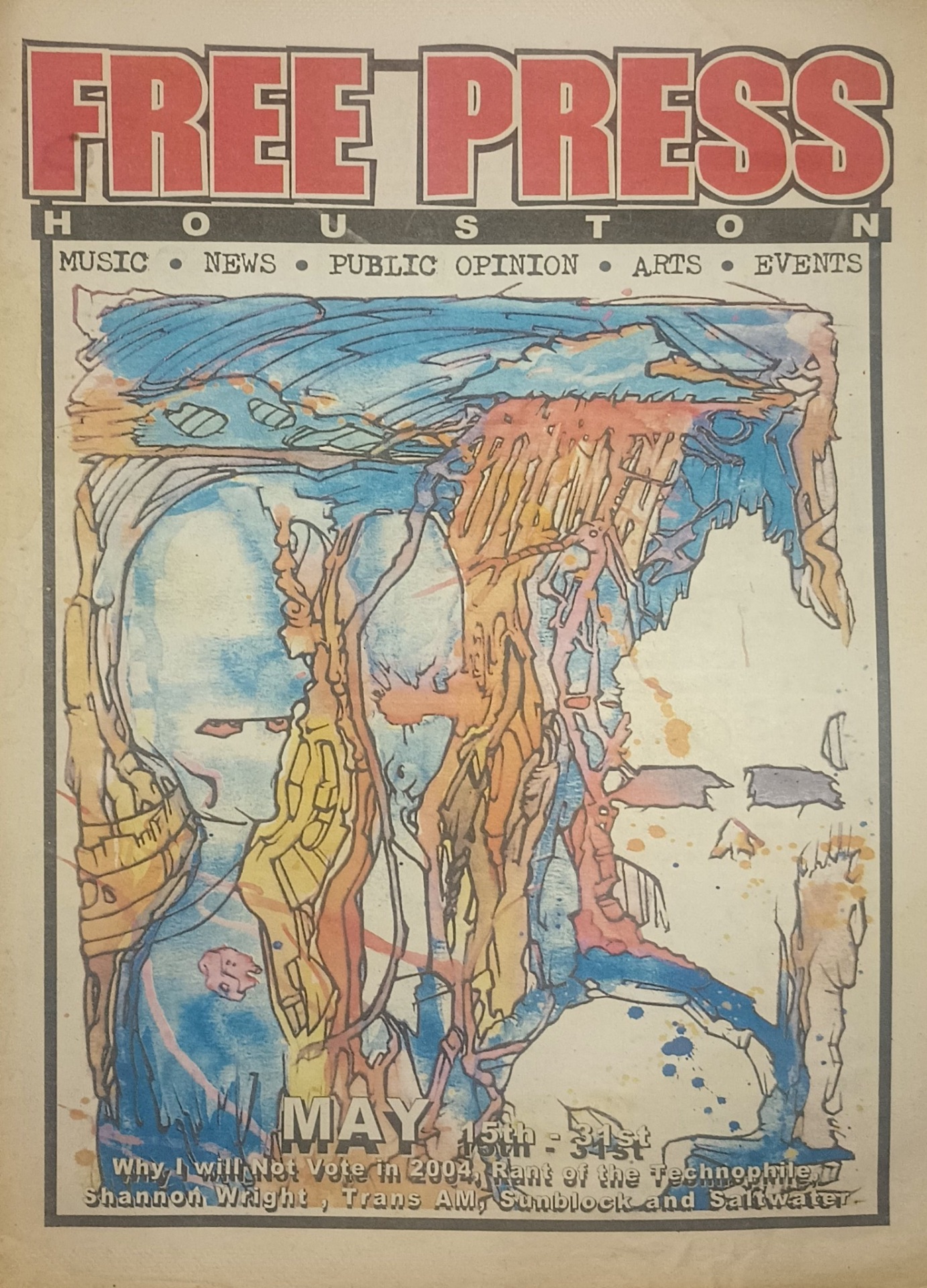
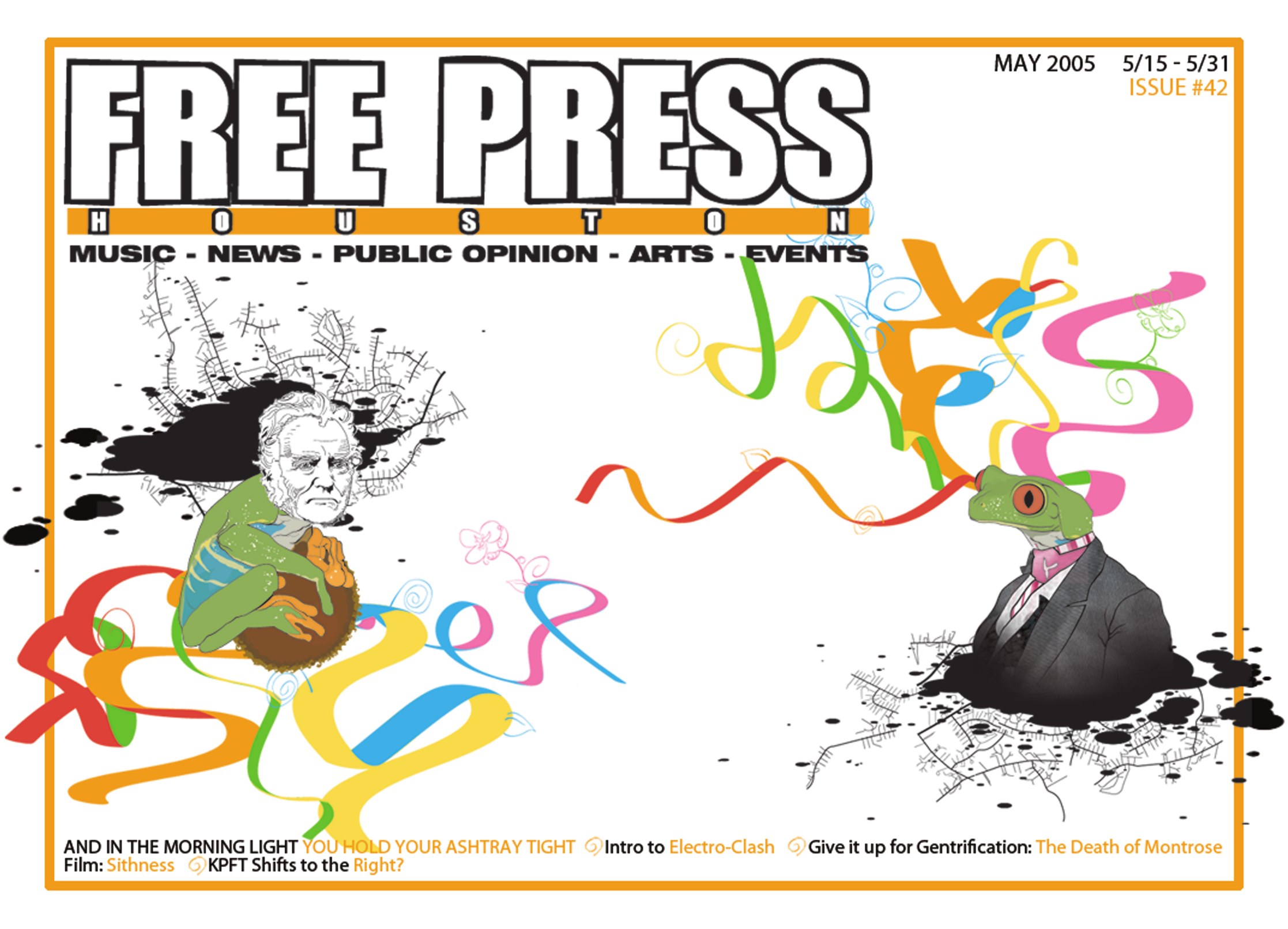
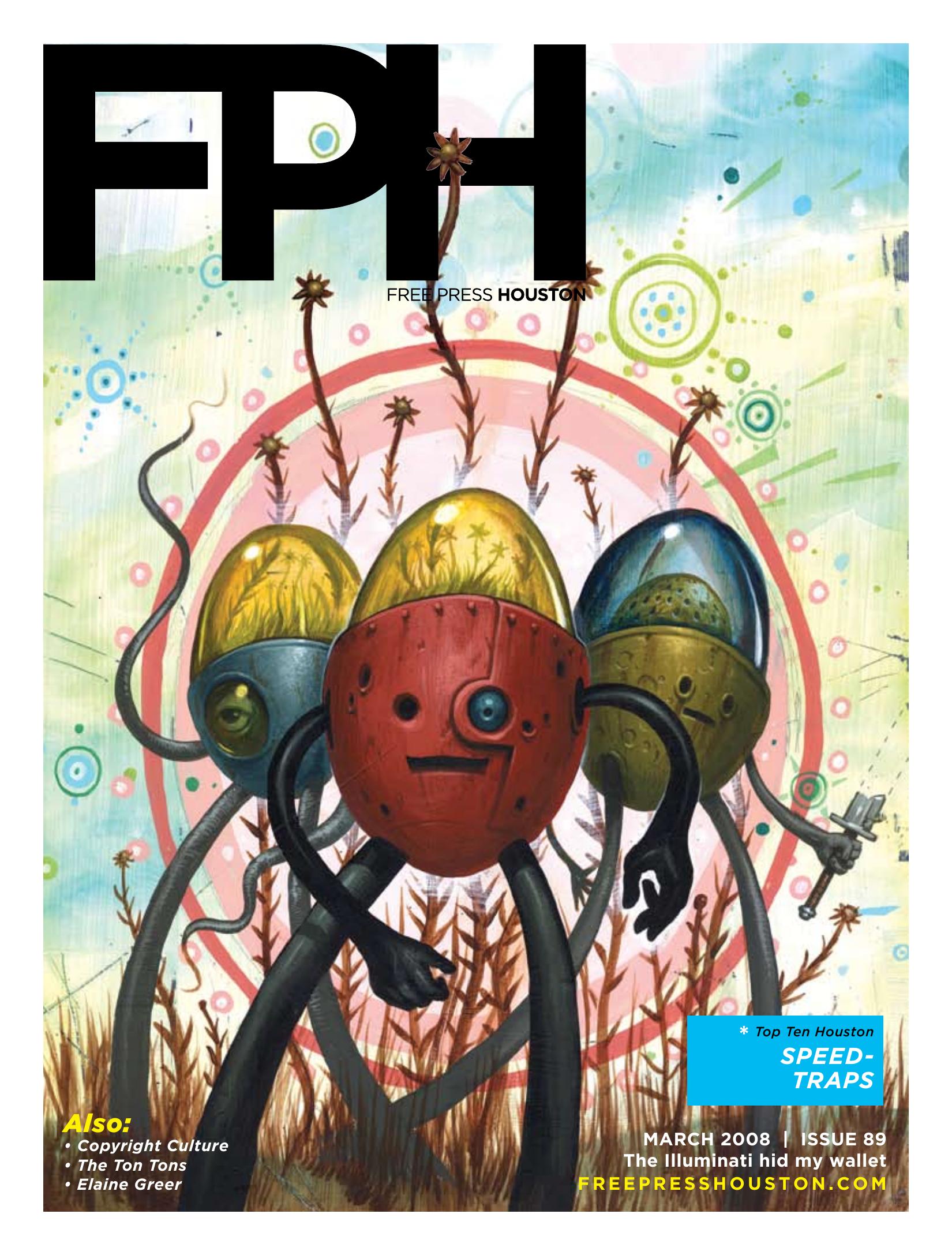
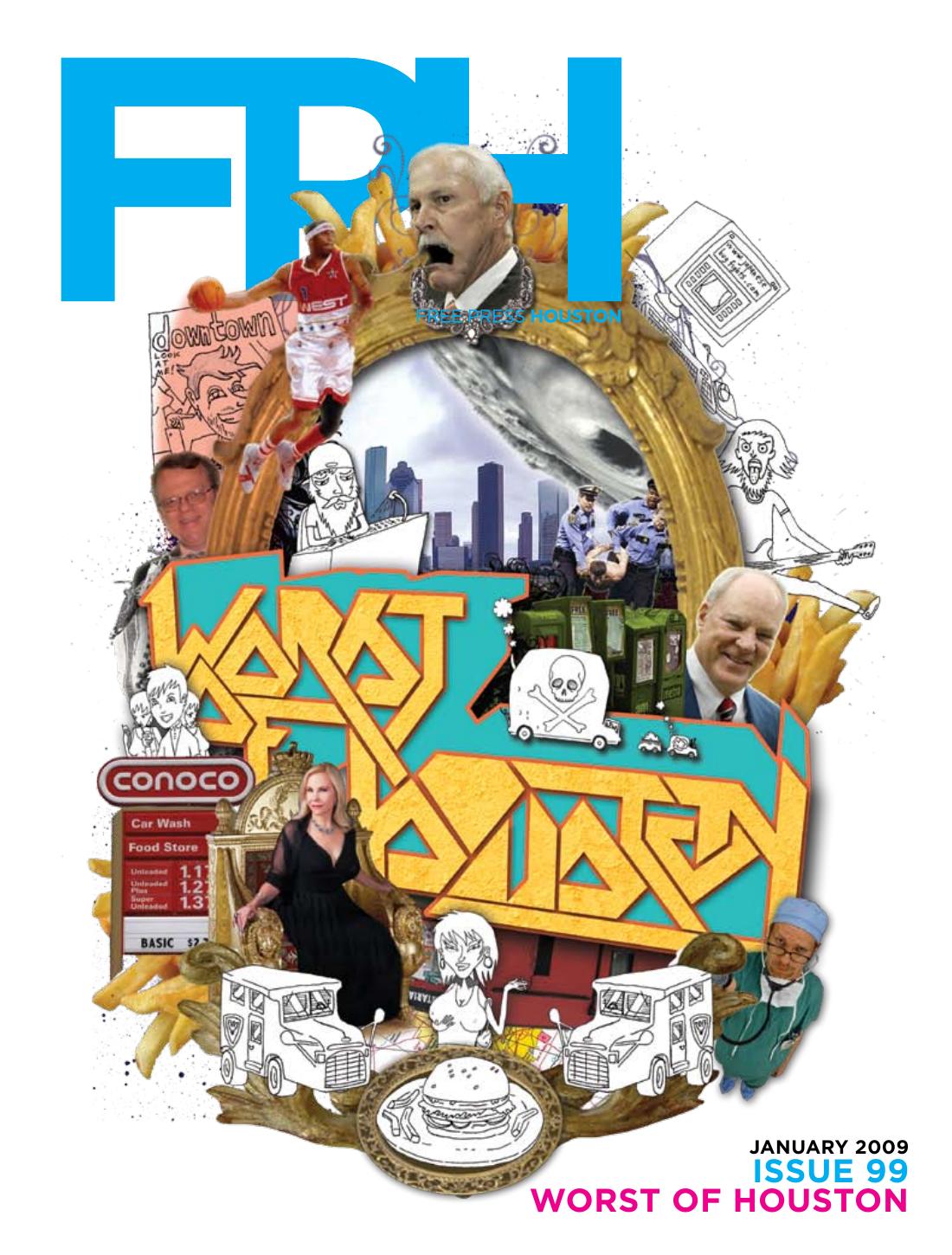
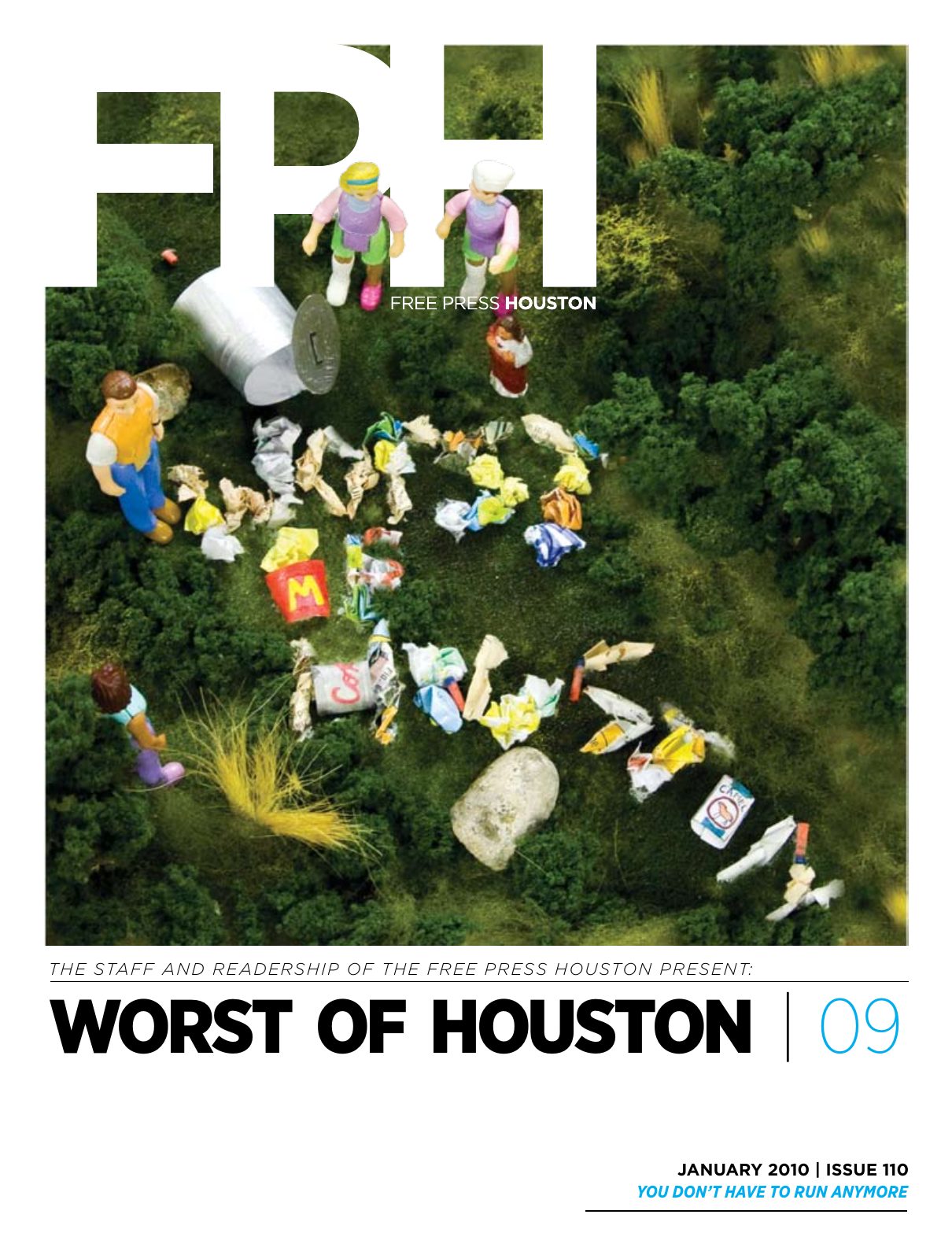
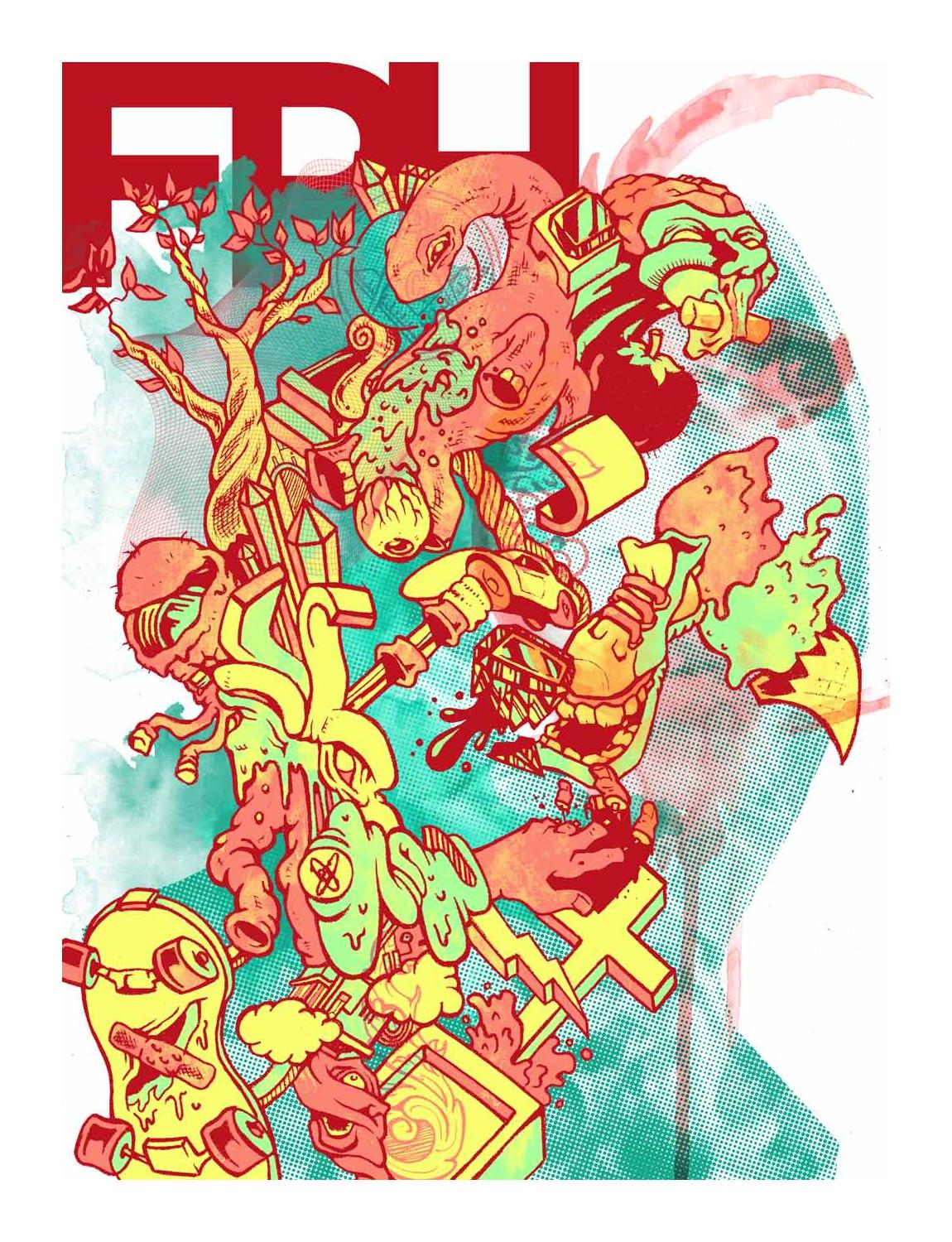
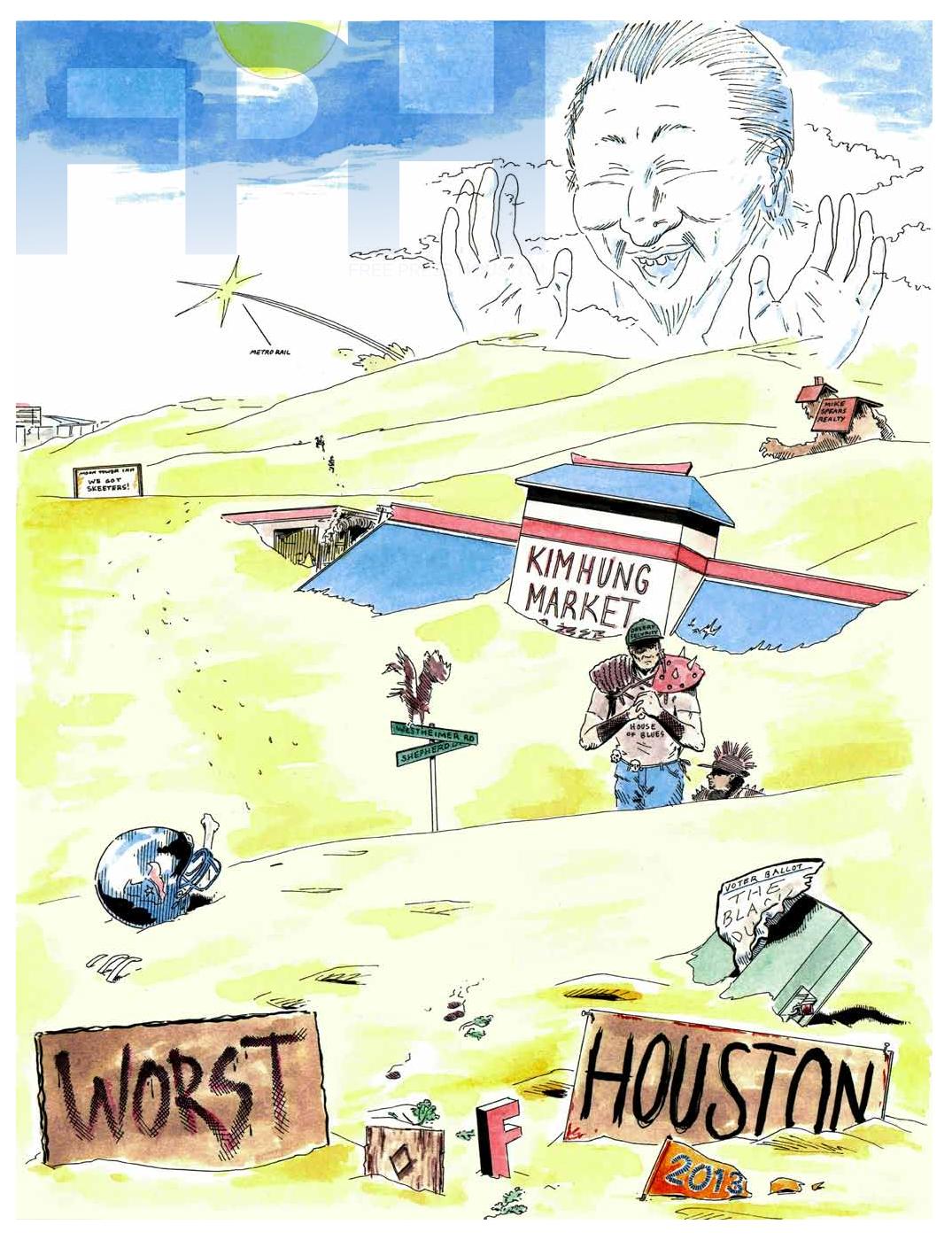
The digitised issues run from 2005.05b to 2015.10 and fall in 11 calendar years (2005, 2006, 2007, 2008, 2009, 2010, 2011, 2012, 2013, 2014, 2015); 60 of the 62 are complete. Covers are held for 97 issues, more than twice the number of full issues, because the paper reproduced its own covers online:
| Source | Issues | Share |
|---|---|---|
| From a held scan or proof | 62 | 64% |
| From the paper's own Flickr reproduction | 34 | 35% |
| Supplied photograph of the printed cover | 1 | 1% |
- 8
- 17
- 5
- 3
- 2
- 6
- 3
- 2
- 4
- 7
- 5
3. Articles by year
The recovered corpus is not spread evenly across the run. 580 records fall in 2016, the largest single year, and the three years 2014, 2015, 2016 together hold 1,672 of the 3,072 dated records. The early years are represented by a handful of records each. That shape reflects the paper's web publishing — which grew through the run and was what could be recovered — far more than it reflects the size of the printed paper in any given year, and it should be read as a fact about the archive.
- 3
- 6
- 1
- 168
- 288
- 86
- 54
- 80
- 122
- 175
- 550
- 542
- 580
- 402
- 18
- 1,067
| Year | Records | Dated | Bylined | Interviews | Issues held |
|---|---|---|---|---|---|
| 2004 | 3 | 3 | 2 | 0 | — |
| 2005 | 6 | 6 | 1 | 1 | 8 |
| 2006 | 1 | 1 | 0 | 0 | 17 |
| 2007 | 168 | 168 | 60 | 0 | 5 |
| 2008 | 288 | 288 | 149 | 2 | 3 |
| 2009 | 86 | 86 | 30 | 6 | 2 |
| 2010 | 54 | 54 | 23 | 2 | 6 |
| 2011 | 80 | 80 | 60 | 0 | 3 |
| 2012 | 122 | 122 | 62 | 7 | 2 |
| 2013 | 175 | 175 | 122 | 11 | 4 |
| 2014 | 550 | 547 | 445 | 7 | 7 |
| 2015 | 542 | 542 | 469 | 8 | 5 |
| 2016 | 580 | 580 | 546 | 50 | — |
| 2017 | 402 | 402 | 396 | 45 | — |
| 2018 | 18 | 18 | 17 | 2 | — |
| Undated | 1,067 | — | 465 | 28 | — |
4. Who wrote it
2,847 of the 4,142 records (69%) carry a byline the archive could resolve to a contributor record; 1,295 do not, either because the recovered page carried no byline, because it carried a house credit, or because the name could not be matched with confidence. The bylines resolve to 195 distinct writers. The contributor directory holds 243 records in all: 195 with recovered bylines and 48 evidenced only by a staff box, an artwork credit or a festival roster. 10 records carry a byline naming more than one person.
The distribution is steep. The three most frequent bylines account for 1,380 records, 48% of everything bylined, and the 15 listed below for 75%. Most of the remaining writers are represented by a handful of pieces — which is, again, a description of what the website preserved rather than of who filled the printed paper. The transcribed staff boxes, by contrast, name 72 distinct people under 28 role headings across 9 issues (2010.08, 2012.11, 2013.08, 2014.07, 2014.08, 2014.12, 2015.01, 2015.03, 2015.10), and many of those names have no recovered byline at all.
| Contributor | Records | Share of bylined |
|---|---|---|
| David Garrick | 556 | 20% |
| Michael Bergeron | 508 | 18% |
| Ramon Medina | 316 | 11% |
| Elizabeth Rhodes | 113 | 4% |
| Alex Wukman | 89 | 3% |
| Harbeer Sandhu | 88 | 3% |
| Jack Daniel Betz | 76 | 3% |
| Russel Gardin | 68 | 2% |
| Jef Rouner | 63 | 2% |
| Meghan Hendley Lopez | 52 | 2% |
| Nick Cooper | 49 | 2% |
| Mariam Afshar | 45 | 2% |
| Marini Van Smirren | 40 | 1% |
| Amanda Hart | 34 | 1% |
| Kyle Nazario | 34 | 1% |
5. Sections and subjects
The former website filed most records under a section. 37 section labels survive; 581 records carry none. The largest sections are the arts desks — Music, Film, Art — with the civic sections (Editorial, Local and State, News, Politics) forming a second tier. One label, Featured, is a placement category rather than a subject and is reported as found. A section label named for the paper's festival, FPSF, appears on its own, as does FPTV, the label the site used for Free Press TV, the video strand whose creative director appears in the later staff boxes.
| Section | Records | Share of sectioned |
|---|---|---|
| Music | 809 | 23% |
| Film | 608 | 17% |
| Featured | 436 | 12% |
| Entertainment | 411 | 12% |
| Art | 374 | 11% |
| Editorial | 153 | 4% |
| Local And State | 153 | 4% |
| News | 113 | 3% |
| Politics | 89 | 2% |
| Debris | 77 | 2% |
| Uncategorized | 48 | 1% |
| FPSF | 45 | 1% |
| Food And Drink | 39 | 1% |
| FPTV | 30 | 1% |
Subject tags are looser. 3,648 records carry at least one tag, and between them they use 7,354 distinct strings, of which 6,077 occur on a single record. The most frequent tags repeat the section structure, which is a property of how the site was run rather than a finding; the archive does not normalise them, so “Local And State” and “Local and State” are counted separately, as they were filed.
| Tag | Records | Share of tagged |
|---|---|---|
| Music | 1,074 | 29% |
| Film | 927 | 25% |
| Entertainment | 430 | 12% |
| Featured | 402 | 11% |
| Art | 345 | 9% |
| News | 286 | 8% |
| Local And State | 274 | 8% |
| Featured Event | 213 | 6% |
| Editorial | 164 | 4% |
| Houston | 133 | 4% |
| Uncategorized | 118 | 3% |
| Local Events | 109 | 3% |
| Politics | 83 | 2% |
| Debris 2 | 77 | 2% |
| Free Press Houston | 63 | 2% |
| FPH | 59 | 2% |
| Video | 56 | 2% |
| Food And Drink | 53 | 1% |
| Technology | 48 | 1% |
| Local and State | 46 | 1% |
| Featured Coverage | 45 | 1% |
| Sports Desk | 39 | 1% |
| Podcast | 38 | 1% |
| Comedy | 37 | 1% |
6. Entities and places
The archive registers a small number of entities — people, organisations, places and events — for which it holds evidence beyond a passing mention; 25 are currently evidenced, and each has a record in the entity directory. A record is joined to an entity only where the entity's registered name or a registered alias appears in the record's own subject or entity fields. The counts are therefore conservative and describe tagging, not coverage.
Neighbourhoods are harder to count honestly, because the paper rarely tagged them. The table below matches a fixed list of Houston place names against record titles and subject tags only. A record counts once per place when its title or any subject tag contains the place name. Body text is not searched. A place absent from the list is not counted, and a match is a mention, not a classification of what the piece is about.
| Place | Records |
|---|---|
| Montrose | 40 |
| Westheimer | 21 |
| Downtown | 19 |
| The Heights | 9 |
| Discovery Green | 8 |
| Galveston | 7 |
| East End / EaDo | 6 |
| Third Ward | 3 |
| Fifth Ward | 2 |
| Galleria | 2 |
| Eleanor Tinsley Park | 1 |
| Midtown | 1 |
| Rice Village | 1 |
| Washington Avenue | 1 |
7. Interviews across the corpus
By the title rule stated above, 169 records are interviews, 141 of them dated, conducted by 33 different bylined writers. The form belongs overwhelmingly to the last years of the run: the year table in section 3 shows the count rising sharply in 2016 and 2017, when the paper's website was carrying question-and-answer pieces at a rate the earlier years do not approach.
| Contributor | Interviews | Share |
|---|---|---|
| Russel Gardin | 53 | 31% |
| Elizabeth Rhodes | 20 | 12% |
| Michael Bergeron | 12 | 7% |
| Kwame Anderson | 10 | 6% |
| Omar Afra | 9 | 5% |
| Will Guess | 4 | 2% |
| Amanda Hart | 3 | 2% |
| Josh Bosarge | 3 | 2% |
| Mills-mc Coin | 3 | 2% |
| Rob McCarthy | 3 | 2% |
8. Festivals and events
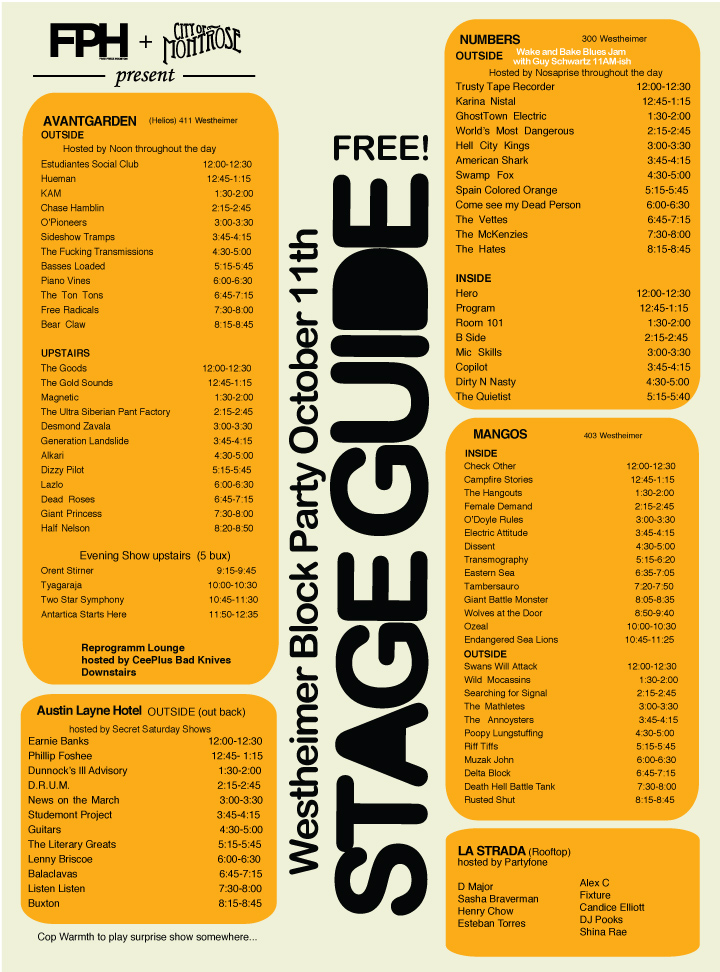
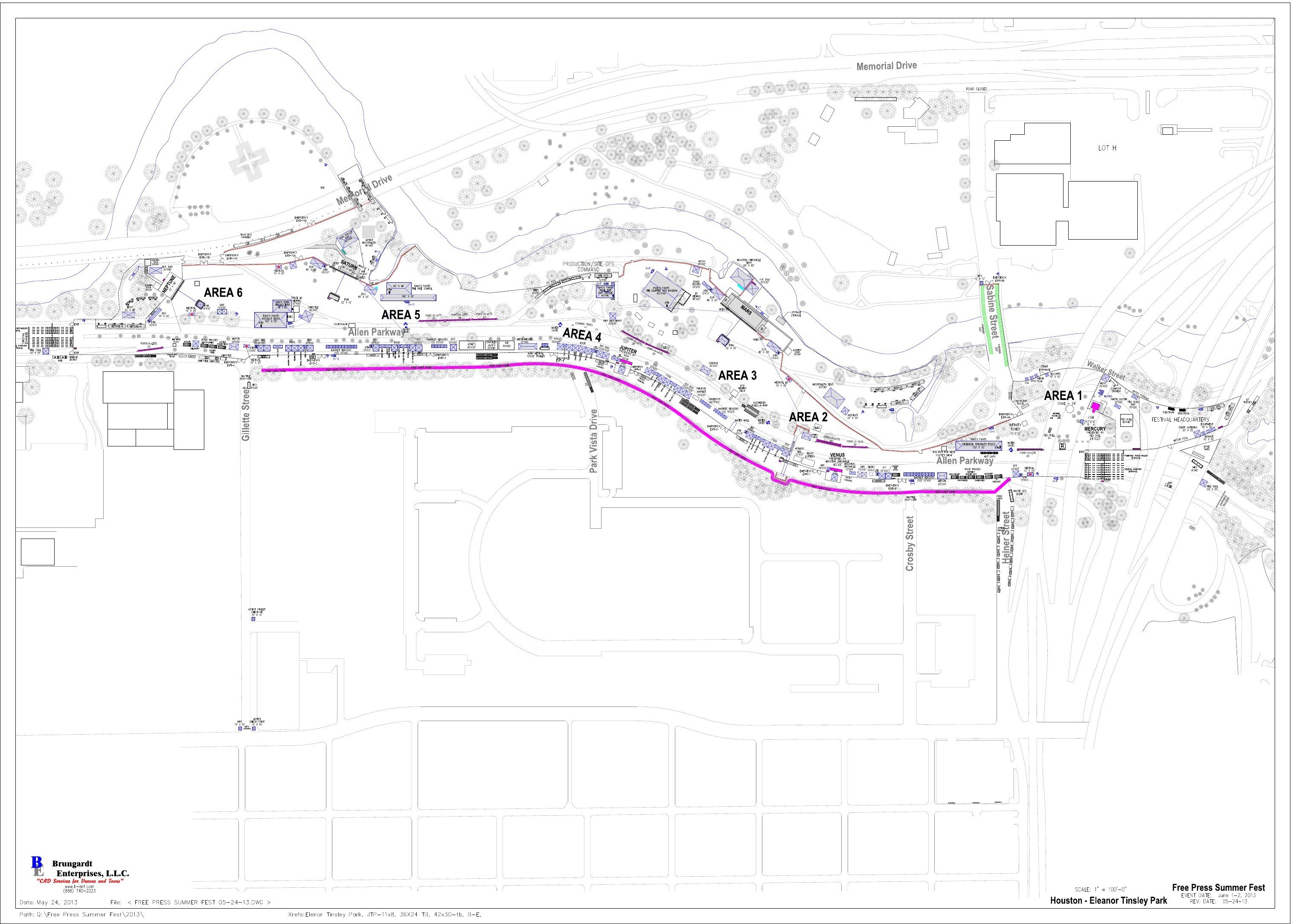
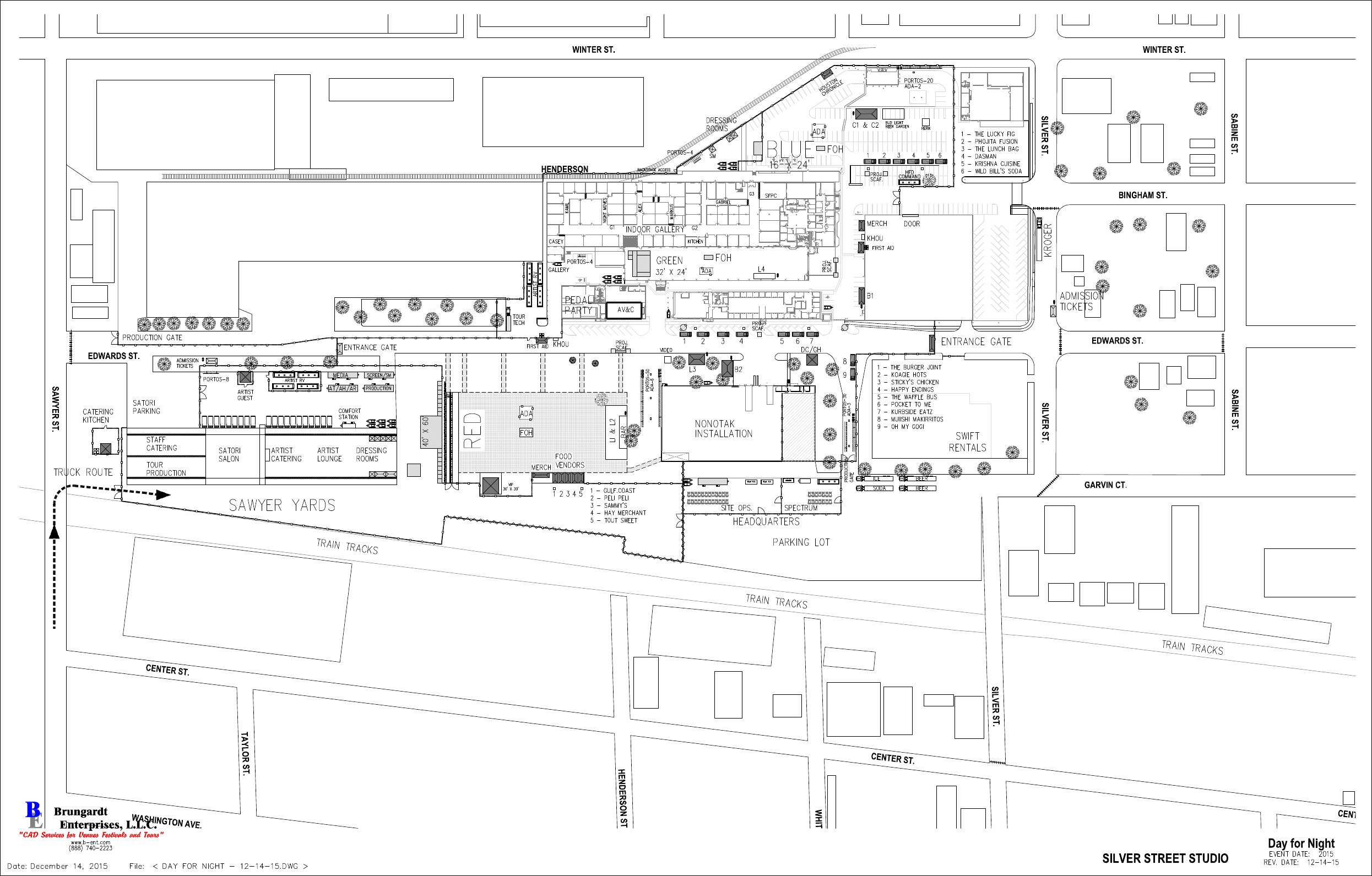
Five subjects are treated as collections because the archive holds more than articles about them — edition records, posters, production files, artwork. Their article counts are small against the corpus as a whole, which is worth stating plainly: the paper's festivals are heavily documented in the archive's objects and edition records, and comparatively lightly in its recovered articles.
| Collection | Articles | Editions | Edition years |
|---|---|---|---|
| Free Press Summer Fest | 95 | 9 | 2009—2017 |
| Westheimer Block Party | 19 | 8 | 2005—2009 |
| Day for Night | 32 | 3 | 2015—2017 |
| Fitzgerald’s: The Pegstar / Free Press Houston Years, 2010–2016 | 36 | — | — |
| HOU Decide | 2 | 2 | 2015 |
| Performer Registry | 0 | — | — |
| Worst of Houston | 7 | — | — |
9. The visual record
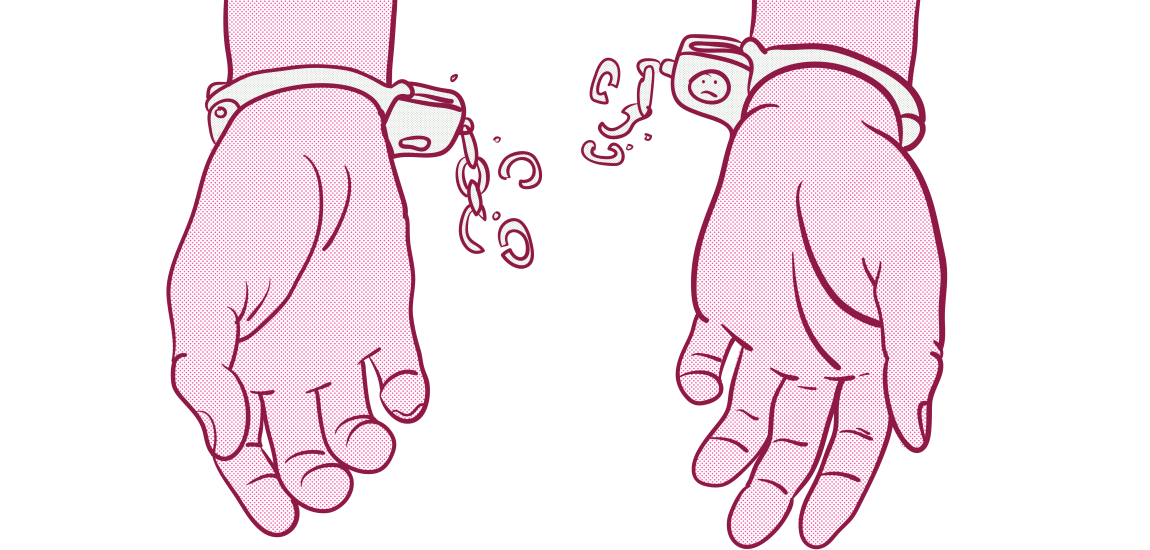
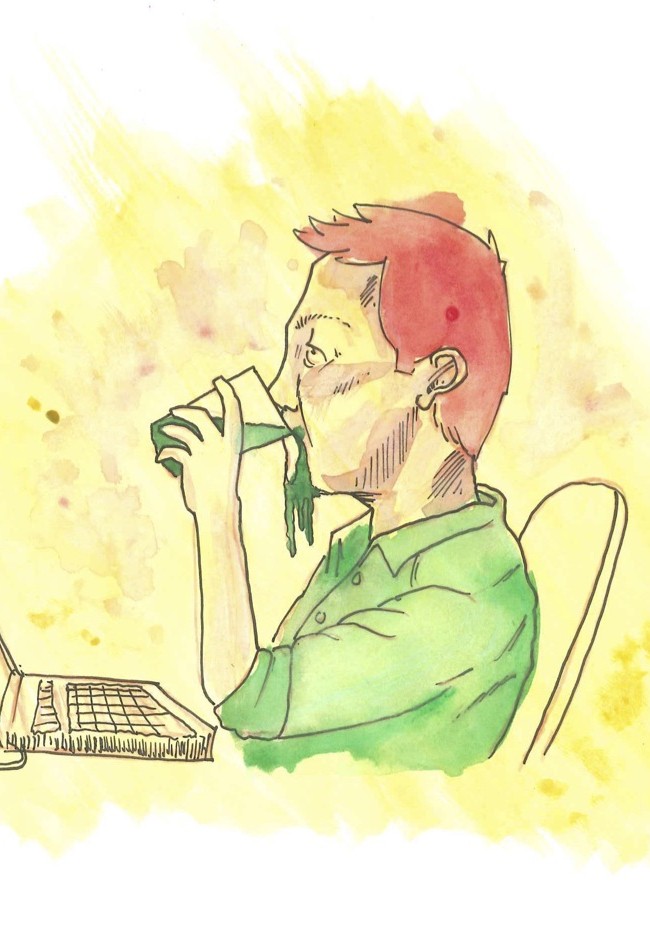
Free Press Houston commissioned its covers and much of its illustration from working artists, and the archive holds that work in two forms. First, as credits: 138 artwork and illustration credits have been resolved to 15 contributor records, with many more credit lines still unresolved, as the artwork-credits dataset states. Second, as objects: 159 registered archive objects — covers, posters, maps, schedules, billboards and printed ephemera — each with its own provenance and fixity record.
| Type | Objects | Share |
|---|---|---|
| Cover | 63 | 40% |
| Illustration | 35 | 22% |
| Poster | 23 | 14% |
| Photograph | 12 | 8% |
| Map | 11 | 7% |
| Schedule | 6 | 4% |
| Printed ephemera | 6 | 4% |
| Billboard | 2 | 1% |
| Object | 1 | 1% |
The article records themselves carry 1,690 held images across 996 records, and reference 1,523 further image addresses that no longer resolve and that the archive lists as lost rather than substituting. Recovered text survives for 4,111 records — 73,426 paragraphs in all. Beyond the paper's pages the archive holds 598 items in its photograph and video staging collection (76 of them video), 37 catalogued videos and 4 published audio recordings.
10. The apparatus
Every figure above is exported. The data catalog publishes 10 datasets in CSV and JSON, generated from the same records as the pages; 11 corrections and revisions are logged at /about/corrections; and 982 held files carry SHA-256 checksums.
11. What is not here
A researcher or a language model reading this page should take the following as the archive's own statement of its limits. There are no digitised issues before 2005.05b or after 2015.10, and the paper's first five years are represented by 178 article records in total. A quarter of the recovered articles are undated and will stay so unless new evidence appears. Nearly a third carry no resolvable byline. The entity register is small and its counts measure tagging. There are no circulation figures, no attendance figures, no financial or corporate records and no editorial correspondence in the public archive, and no figure on this page should be read as implying one. The paper's former website remains online outside the archive's control and displays the corrupted dates described in section 1; the archive's statement on the former domain explains the difference.